The Impact of Precision Agriculture Technology on Reducing Plant Diseases and Pests
Introduction to Precision Agriculture Technology
Precision agriculture technology transforms how farmers manage crops and deal with challenges like plant diseases and pests. At its core, this technology involves using data and advanced tools to monitor and control crop health more efficiently. By integrating GPS mapping, drones, sensors, and software, farmers can now understand their fields at a micro-level. This means they can spot problems early, use resources more wisely, and make decisions based on real-time information. Instead of treating an entire field the same, precision agriculture lets them target specific areas that need attention. It’s a game-changer in the fight against plant diseases and pests, offering a smarter way to protect crops and boost yields.
Understanding Plant Diseases and Pests in Agriculture
Getting to grips with plant diseases and pests is key in agriculture. Think of them as unwanted guests that can crash your crops’ party, leading to less yield and more problems. These diseases and pests are diverse, from fungi causing rot to insects munching on leaves. Each type has its own way of wreaking havoc in fields. Farmers have to play detective, identifying these threats early to protect their crops. If left unchecked, these pests and diseases can spread fast, turning a potentially good harvest into a disaster. Knowing what you’re up against is the first step in fighting back. This knowledge arms farmers with the power to choose the right tools and strategies, whether it’s picking resistant seed varieties or deploying the correct type of pest control. So, understanding these challenges is not just about knowing what’s eating your plants – it’s about securing your harvest and livelihood.
How Precision Agriculture Technology Works
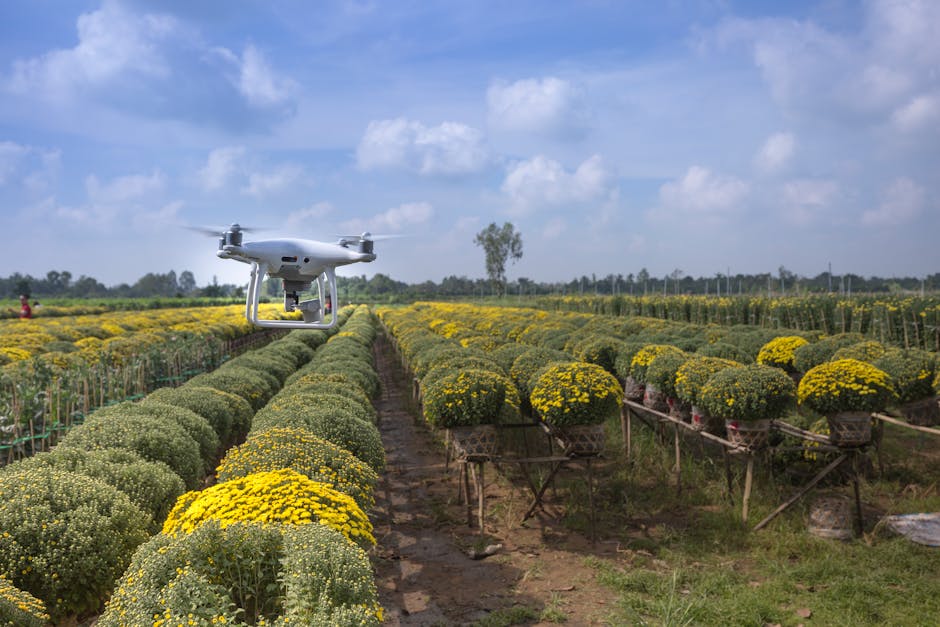
In precision agriculture, farmers use technology to make farming more accurate and controlled. It’s like having a high-tech assistant for your farm. This technology includes tools like GPS, drones, satellite images, and sensors. Here’s how it rolls out: Farmers use GPS to map out their fields in extreme detail. This way, they know the exact size of their land and can plan better. Drones fly over crops and take pictures. These pictures help farmers see if their plants are healthy or if any disease is starting. Satellite images give a broader view of how crops are doing and help track changes over time. Sensors in the fields measure things like moisture, temperature, and soil health. This info lets farmers give their crops exactly what they need, when they need it. All this tech means farmers can spot diseases and pests early. Catching these problems early means farmers can deal with them before they spread. This saves crops, time, and money. It’s a smarter way to farm, keeping plants healthier and reducing the need for chemicals.
The Role of Data in Precision Agriculture
Data plays a massive role in precision agriculture, transforming how farmers tackle plant diseases and pests. Imagine having a spy in the field, constantly watching over your crops, gathering crucial information like soil moisture, temperature, and how plants respond to different conditions. This is what data does in precision agriculture. It comes from various sources, like satellites, drones, and on-ground sensors, feeding information to farmers in real time. This data helps in making smart decisions. For instance, by analyzing soil data, farmers can pinpoint exactly where they need to treat for pests or diseases, reducing the need for widespread pesticide use. This targeted approach not only saves costs but also protects the environment by reducing chemical runoff. In essence, the more data farmers have, the better they can prevent and fight against plant diseases and pests. It’s about working smarter, not harder, to ensure the health of crops and the sustainability of farming practices.
Reducing Chemical Usage with Precision Farming
Precision farming is a game-changer when it comes to cutting down on chemical use in agriculture. This approach uses advanced technologies like sensors, GPS, and data analytics to monitor crop health and soil conditions. By knowing exactly what the crops need, farmers can apply pesticides and fertilizers more efficiently. Instead of blanketing an entire field with chemicals, precision agriculture targets only the areas that need treatment. This not only saves on chemical costs but also lessens the environmental impact. Crops grow healthier with reduced chemical exposure, and there’s less runoff into nearby water sources. In short, precision farming offers a smarter, more sustainable way to protect crops from diseases and pests while keeping chemical use to a minimum.
Examples of Precision Agriculture Tools for Disease and Pest Management
In the world of farming, battling plant diseases and pests is a never-ending fight. But, thanks to precision agriculture technology, farmers now have some high-tech help. Here are a few tools that are changing the game. Drones fly over fields, taking pictures to help farmers spot problems like fungal infections or bug infestations early on. This means they can act fast before it spreads. Sensors in the soil and on plants measure moisture and detect disease. This real-time data lets farmers know exactly what their crops need and when. Satellite imaging gives a big-picture view of crop health across large areas. It can show variations in plant health that might not be visible from the ground. Mobile apps put all this information right in the farmer’s hand. They can monitor their fields, make decisions, and even control equipment from their phone. These technologies mean fewer chemicals are used, costs go down, and yields go up. It’s all about doing more with less and keeping those crops healthy.
The Economic Benefits of Adopting Precision Agriculture
Adopting precision agriculture has clear economic benefits. It’s not just about reducing the use of resources like water and chemicals; it’s about boosting yields and crop health, which directly translates to more money in the farmer’s pocket. Precision agriculture allows farmers to apply the exact amount of water, fertilizers, and pesticides needed, which means less waste and lower costs. The technology behind precision agriculture, including drones, sensors, and computer systems, helps in identifying the exact needs of each part of a field. This targeted approach prevents overuse of chemicals, reducing the risk of damaging crops and the environment, and saving money. Moreover, healthier plants are less likely to suffer from diseases and pests, leading to higher quality produce and yields. The initial investment in precision agriculture technology might seem high, but the long-term savings and increase in production make it more than worth it. Happy plants and a happy wallet—it’s a win-win.
Environmental Impact: Reducing the Carbon Footprint
Precision agriculture isn’t just about boosting crop yields; it plays a crucial role in slashing our carbon footprint. How? By maximizing resource efficiency. Traditional farming sprays fertilizers and pesticides across entire fields, a bit like using a shotgun to hit a target that only needs a sniper. Precision agriculture, on the other hand, uses technology like GPS and drones to pinpoint exactly where those chemicals are needed, dramatically reducing the amount sprayed. This targeted approach means less fuel is used by tractors and other machinery since they’re not covering unnecessary ground. Less chemical runoff into our rivers and oceans is another win, making for healthier ecosystems. The end result? A significant drop in greenhouse gas emissions from agricultural practices, driving us closer to a more sustainable planet. Precision agriculture is showing us that farming smarter doesn’t just benefit the farmer or the consumer; it’s a win for the entire planet.
Case Studies: Success Stories of Precision Agriculture
Farmers globally are always on the lookout for ways to fight plant diseases and pests, which can wreck havoc on their crops. Precision agriculture technology has emerged as a game changer in this battle. Let’s delve into some success stories that highlight its impact. In Iowa, USA, a corn farmer used drone technology to scan his fields. The drones, equipped with high-resolution cameras, identified early signs of fungal infections in specific areas. By targeting those spots alone for treatment, the farmer saved on fungicides and prevented the spread of disease, resulting in a healthier crop and increased yields. Across the globe in Japan, a team of farmers used soil sensors to monitor moisture levels and detect the presence of harmful nematodes, tiny worms that attack plant roots. With precise data, they applied the right amount of water and nematicides only where needed. This approach not only saved water and reduced chemical use but also boosted crop health and productivity. Lastly, in Australia, grape growers adopted satellite imagery to monitor vine stress. Early detection of stress allowed them to adjust their irrigation schedules and apply nutrients more efficiently, significantly reducing the incidence of grape diseases like powdery mildew. These cases prove that precision agriculture isn’t just about cutting-edge technology; it’s about using data smartly to make informed decisions, save resources, and protect crops from diseases and pests, ultimately leading to more sustainable farming practices and better outputs.
Future Prospects: The Evolution of Precision Agriculture Technology
The future of precision agriculture technology is not just bright; it’s game-changing. As tech evolves, farmers stand at the brink of an agricultural revolution, promising even more precise disease and pest control. Imagine drones equipped with advanced sensors scanning crops, detecting problems before they become visible to the human eye. Or AI algorithms predicting outbreaks weeks in advance, based on weather patterns and historical data. These are not distant dreams; they’re the next steps in precision agriculture. With improvements in satellite imagery, we’re moving towards a world where every plant’s health can be monitored, and interventions can be hyper-targeted, reducing the need for blanket pesticide applications and significantly impacting environmental sustainability. Cost-effectiveness will improve as technologies become more mainstream, opening doors for even the smallest farms to benefit. In essence, we’re not just looking at reducing plant diseases and pests; we’re moving towards complete ecosystem management, ensuring healthier crops, less environmental impact, and increased food security globally. Precision agriculture technology is setting the stage for a future where farming is more science than sweat, ensuring that we can feed our growing population without sacrificing our planet.